April 20, 2022
For the sake of CIMplicity
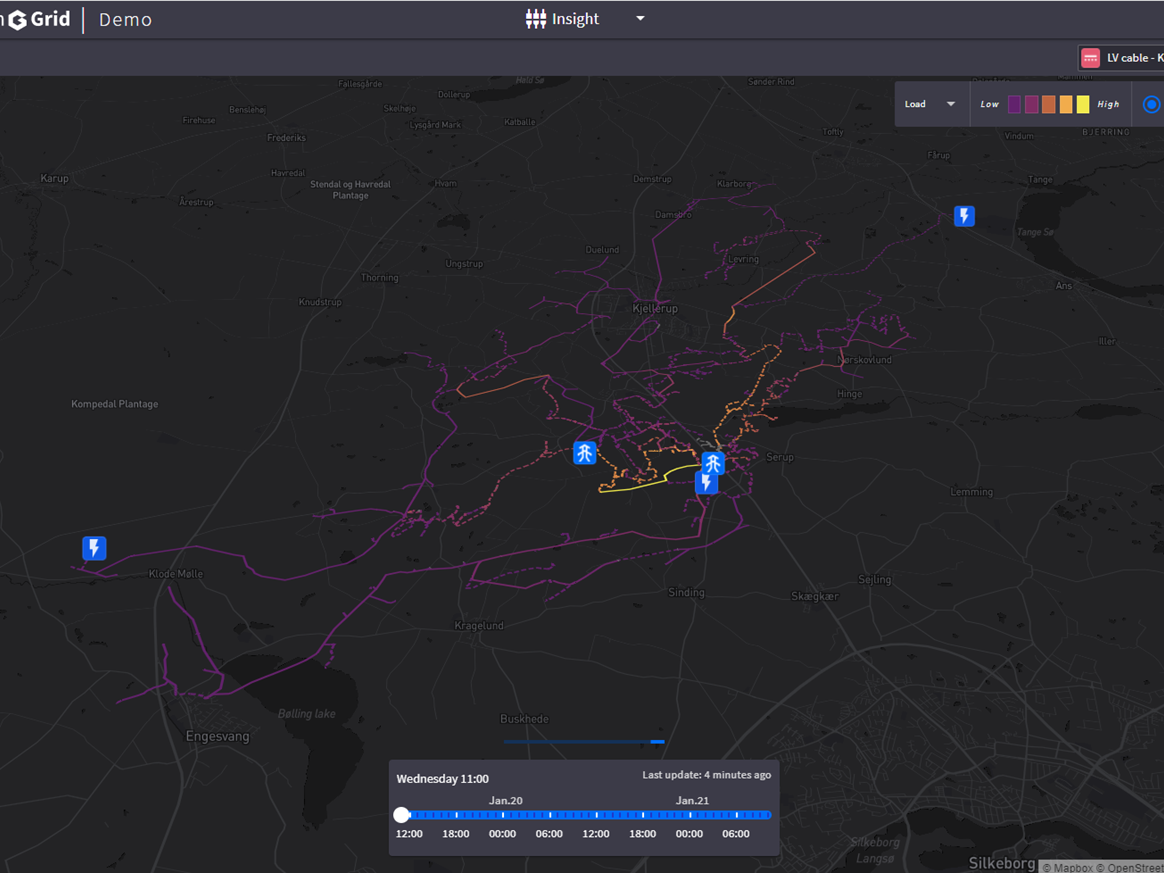
Like almost every other industry today, the power system is changing. Electrification worldwide is increasing, bringing with it the challenges of stable power supply, increasing energy costs, and long-term sustainability across the energy industry. As we know, digitalization always comes up as a potential solution – but along with it, even more challenges.
That’s why it’s time to talk about CIM, and DSOs, the IEC, CENS… the grid is flooded with abbreviations! With all these abbreviations it’s easy to get confused and sometimes it feels like no one is speaking the same language anymore. Luckily, that’s exactly what Falkor is trying to solve by supporting CIM standards through our digital twin Kognitwin.
First, we need to tell you about CIM
CIM, or Common Information Model, is a standard that allows software to exchange information about electrical networks in the electric power industry. Imagine a group of people from different countries who all speak a different language coming together, and they need a way to communicate. What’s the easiest way to do that? Speak a common language that everyone understands, a lingua franca – like English. CIM has the same idea. Core systems speak different ‘languages’, and when a CIM interface is implemented, these languages can connect in a Common Network Model (CNM, another abbreviation for you!) to unify data and create a single source of truth for anyone that needs to collect or exchange data about their grid model. Instead of integrating systems that may use different data formats, the CNM can be used as the central place to get standardized and more reliable data.
CIM standards are developed by the IEC (International Electrotechnical Commission) and are versatile enough to be applied to both grid models and market exchanges. These standards facilitate the exchange of data related to equipment, topology, power system state variables, and data that helps with load flow simulations to facilitate better predictions about operational risks in the grid.
Changing the way we work
Why is it so important for these systems to interact using a common language? As the energy system is getting more complex, with sharp increases in electrification accompanied by a phaseout of conventional fossil fuel power generation and more intermittent and distributed energy sources, the existing electricity grid infrastructure as well as how the electricity market works today will need to change. The energy systems are slowly decentralizing to include more actors, data, and types of energy, creating a more complex system that requires new ways of working. Distribution System Operators (DSOs) need a way to gain more value from the data available across operations, handle bidirectional power flow, facilitate flexible services, and enable equipment and software to communicate.
Unsure about your company?s data quality or cim interoperability and eager to take your first step on the road to digitalization?
We’re here to help. Get in touch with us our to learn more about what Kognitwin can do for you.
Author

Morten Hansen
Former VP Marketing