November 9, 2026

Intelligence, resilience and execution: What ADIPEC 2026 told us about the future of energy
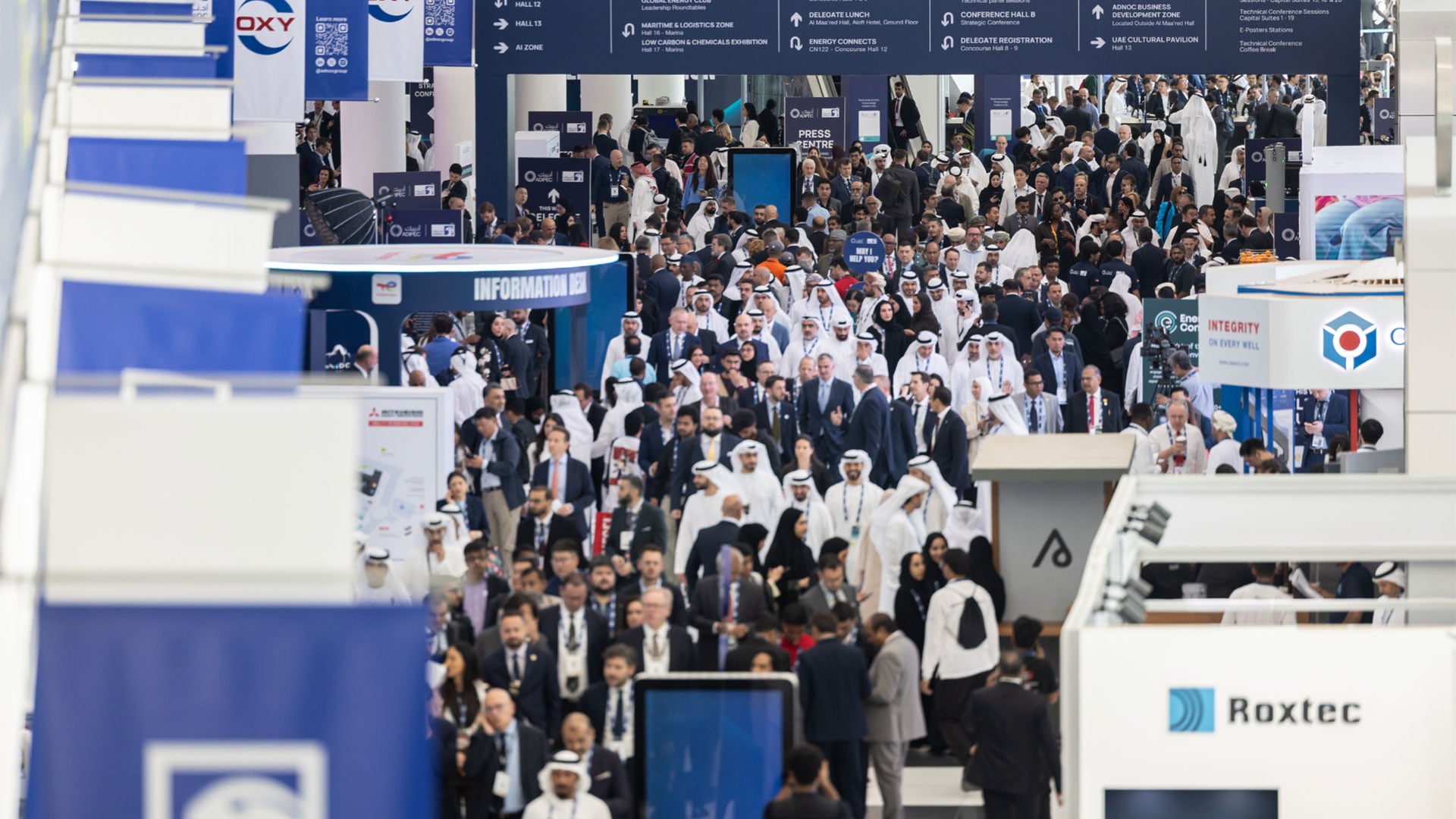
adipec-2026

Image: courtesy of Oil & Gas Middle East
At ADIPEC 2026, one message came through clearly: the conversation around AI in energy is changing.
The industry is moving beyond asking what AI could do and towards a more practical question: how can it deliver value in real operations, at scale? By day three, discussions were explicitly focusing on the move from experimentation to implementation, and on the data, infrastructure and operating models required to embed AI across complex industrial operations.

That question sits within an even bigger challenge. Rising energy demand, geopolitical uncertainty, and pressure on infrastructure are putting resilience firmly on the agenda. At ADIPEC 2026, energy security, infrastructure, and AI were increasingly discussed as interconnected parts of the same system.

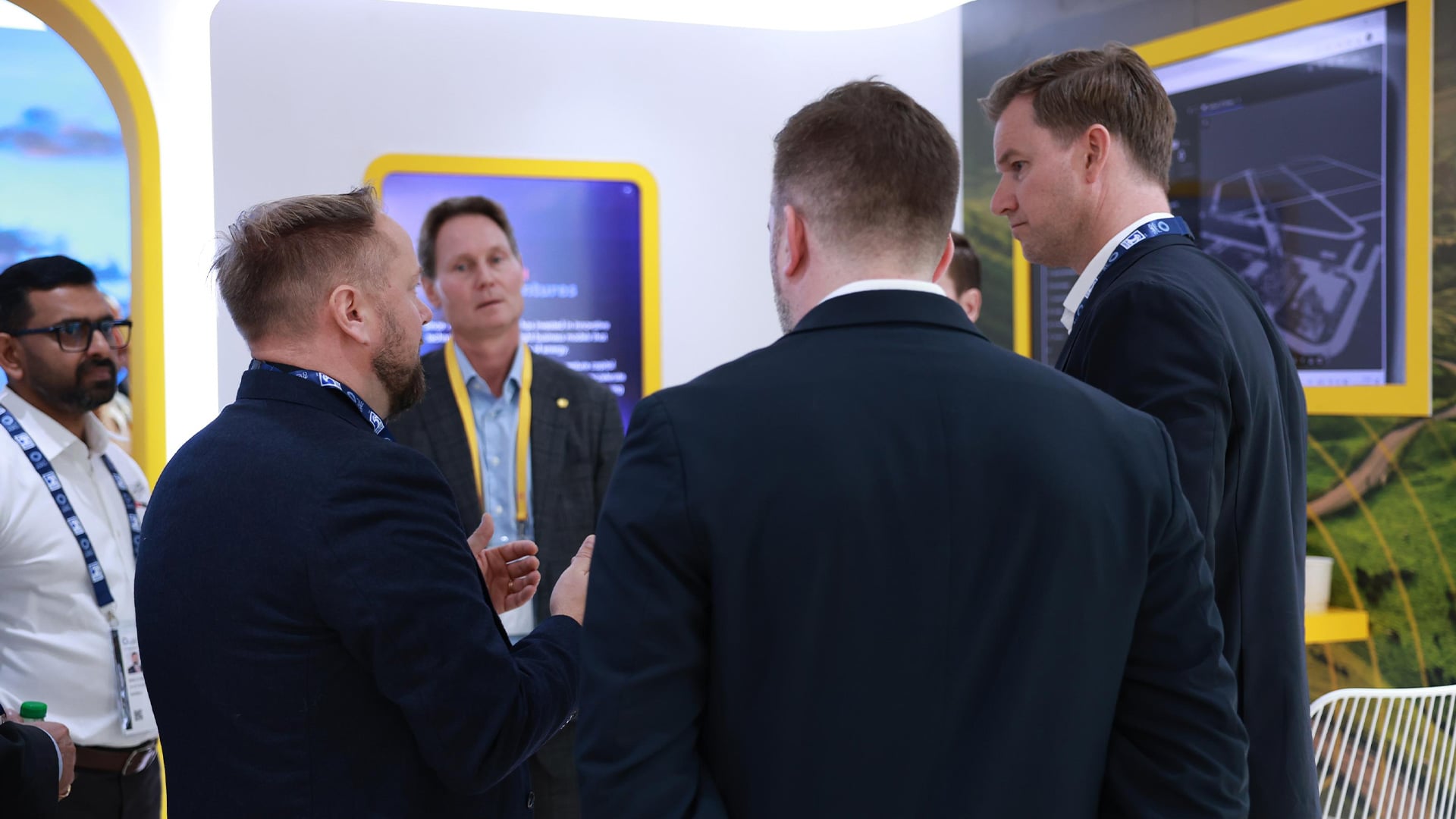
As Misha Crastes, Growth Director EMEA at Falkor, reflected after the first day: 

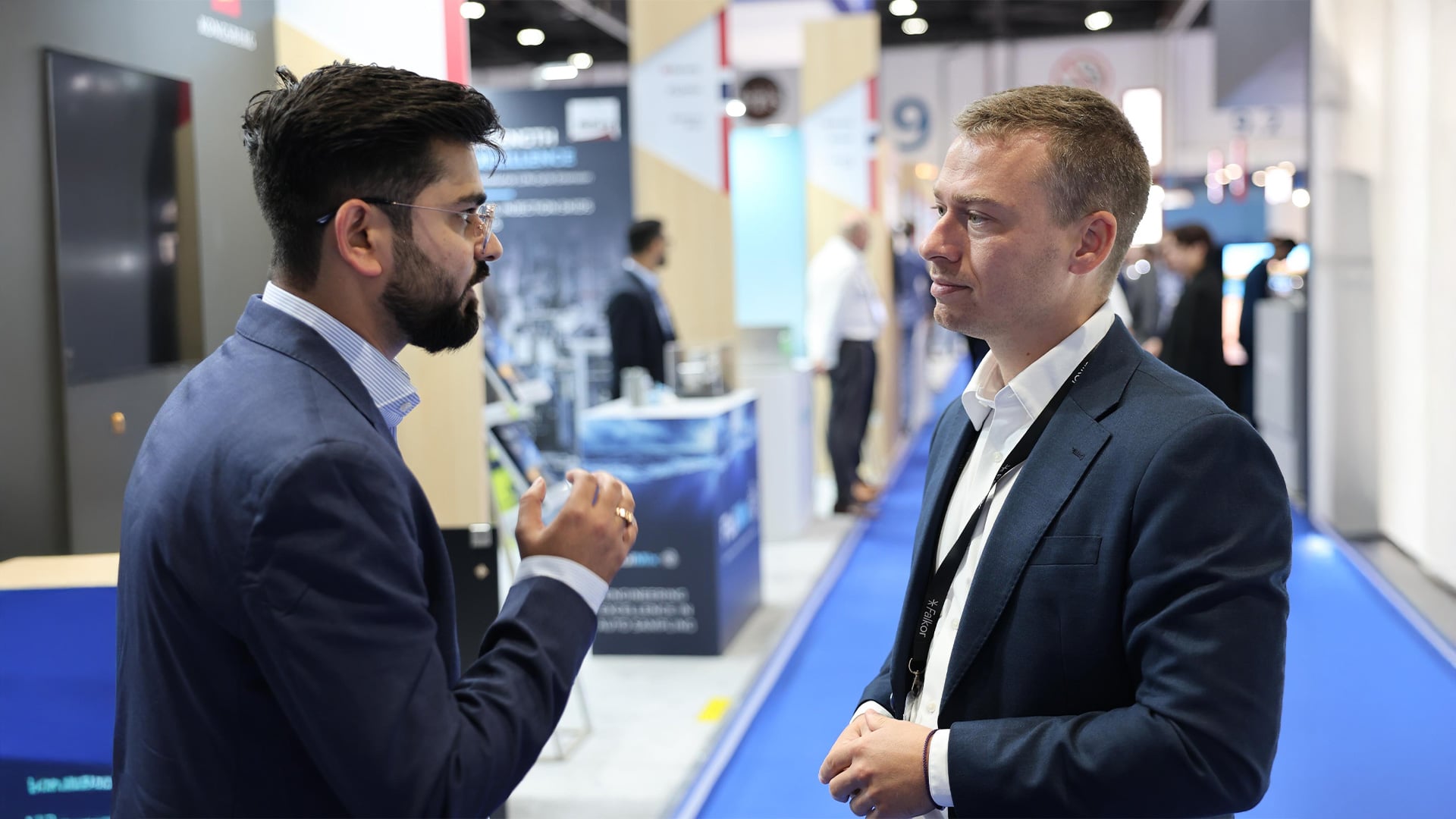
misha-adipec-2026

Image: Misha Crastes, Growth Director EMEA, Falkor
Energy security, AI and resilient infrastructure are converging into one agenda - building the intelligent energy systems the world needs next.

Misha Crastes. Growth Director EMEA, Falkor

Built in, not bolted on

One phrase from the opening stage captured the shift particularly well. Dr Sultan Ahmed Al Jaber Managing Director and Group CEO of ADNOC, argued that AI has become essential to operational continuity: 

AI must be built in, not bolted on.

Dr Sultan Ahmed Al Jaber, Managing Director and Group CEO, ADNOC

For industrial operations, that means moving beyond isolated AI tools and pilots. It means connecting AI with the data, systems and workflows people already rely on, so intelligence becomes part of how work gets done.

Access to increasingly powerful AI is becoming easier. But access alone does not create operational value. The harder challenge is connecting technology to trusted industrial data, engineering context, existing systems, and the processes where real decisions are made.

For Falkor, this is central to industrial intelligence: connecting people, systems and workflows to turn complexity into clarity and data into decisions.

And critically, those decisions still belong to people.

Resilience is about being ready for disruption

Resilience was another defining theme in Abu Dhabi.

In energy, resilience is about preparedness: the ability to adapt, respond, and continue operating when conditions change. The ADIPEC 2026 program framed it in terms of building systems and infrastructure capable of absorbing disruption, particularly as geopolitics, AI and rising energy demand reshape the operating environment.

Technology has a role to play, but resilience also depends on organizations having the right information and expertise available when circumstances change. Discussions during the week emphasized preparedness and keeping humans accountable even as AI becomes increasingly embedded in operations.

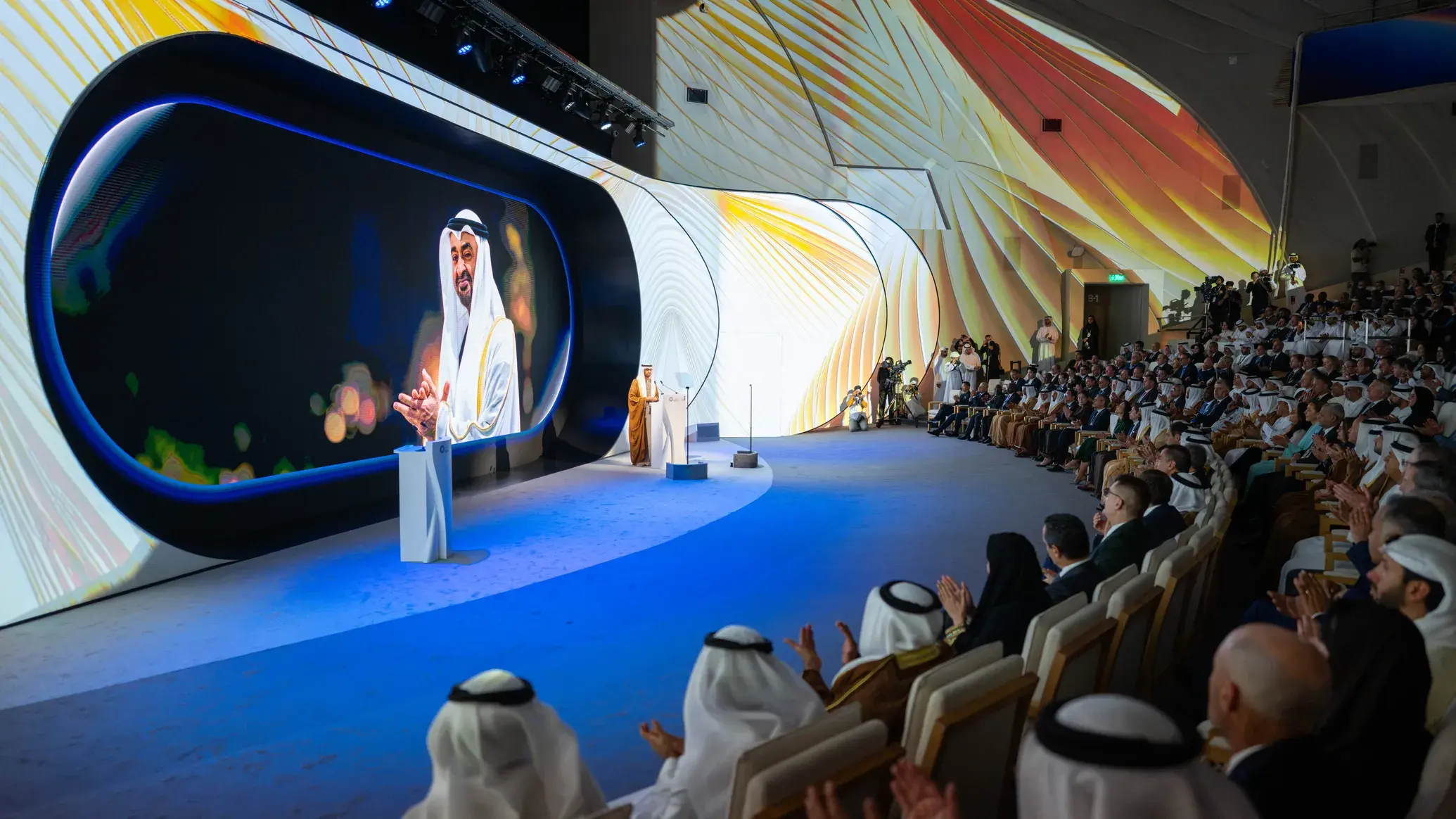
Dr Sultan Ahmed Al Jaber captured the connection between intelligence and resilience directly: 

dr-sultan-ahmed-al-jaber-opening-address-adipec-2026

Image: Dr Sultan Ahmed Al Jaber delivers opening address at ADIPEC 2026. Image courtesy of Abu Dhabi Media Office.
In a crisis, the speed of insight and the speed of decision-making is the difference between continuity and disruption.

Dr Sultan Ahmed Al Jaber, Managing Director and Group CEO, ADNOC

His priorities for a more resilient energy system included accessible supply, secure routes to market, operational intelligence, enabling policy and capital, and people. Resilience is not only about infrastructure. It also depends on whether organizations can bring together operational information, engineering knowledge and human expertise when conditions change.

That connection between digital capability and operational resilience was also reflected within the Falkor team at ADIPEC. Resilience increasingly depends on whether operators can connect technology with the information, operational context, and human expertise needed to respond when conditions change.

As Rony Jacob Abraham, Business Development Director, SiteCom, put it:

“Resilience in the energy sector is no longer just about weathering the storm; it is about building the digital vessel that can navigate it. Technology does not replace our grit—it amplifies it, turning operational endurance into future-proof intelligence.”

The emphasis on amplification matters. Resilient operations still depend on people making informed decisions under pressure. Digital capability is most useful when it strengthens that judgement by making relevant information and operational context easier to access when conditions change.

henrik-adipec-2026

Image: Henrik Martinsson, VP Growth EMEA, Falkor at Shell Booth, ADIPEC 2026
The challenge is execution

This brings us to perhaps the biggest takeaway from the week. Technology is advancing quickly. The harder challenge is putting it to work in real operations.

Industrial organizations operate across complex environments built over decades. Data is spread across multiple systems. Engineering context matters. Workflows cross roles and disciplines. The people making decisions need information they can understand and trust. Adding another layer of technology does not automatically remove that complexity. This is why the move from experimentation to execution matters. Discussions at ADIPEC 2026 highlighted data foundations, digital infrastructure, governance and operating models as prerequisites for integrating AI across industrial operations at scale.

For Falkor, the focus is on connected industrial operations: bringing together people, systems and workflows, with capabilities including visibility, simulation and decision support.

Where intelligence becomes operational

The discussions at ADIPEC 2026 also showed how much more concrete the AI conversation is becoming.

The important shift is from technology in isolation to intelligence within the everyday work of operating complex assets. For an engineer, that can mean having relevant operational information and context available when investigating an issue. For maintenance and operations teams, it can mean connecting information and workflows rather than moving between disconnected systems. For decision-makers, it can mean a clearer view of what is happening and the context needed to decide what to do next.

This is where industrial intelligence becomes practical: when technology supports people in doing the work rather than becoming another tool they need to manage. For Falkor, that means connecting people, systems and workflows in ways that expand human capability.

People remain at the center

For all the discussion of AI and automation at ADIPEC 2026, one point should not get lost: resilient operations still depend on people.

Dr Sultan Ahmed Al Jaber made people the final, and in his view most important, priority in his framework for resilience: 

Systems don’t carry responsibility, people do.

Dr Sultan Ahmed Al Jaber, Managing Director and Group CEO, ADNOC

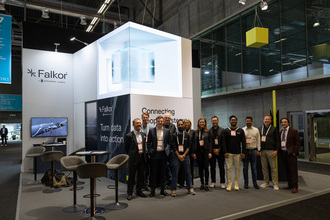
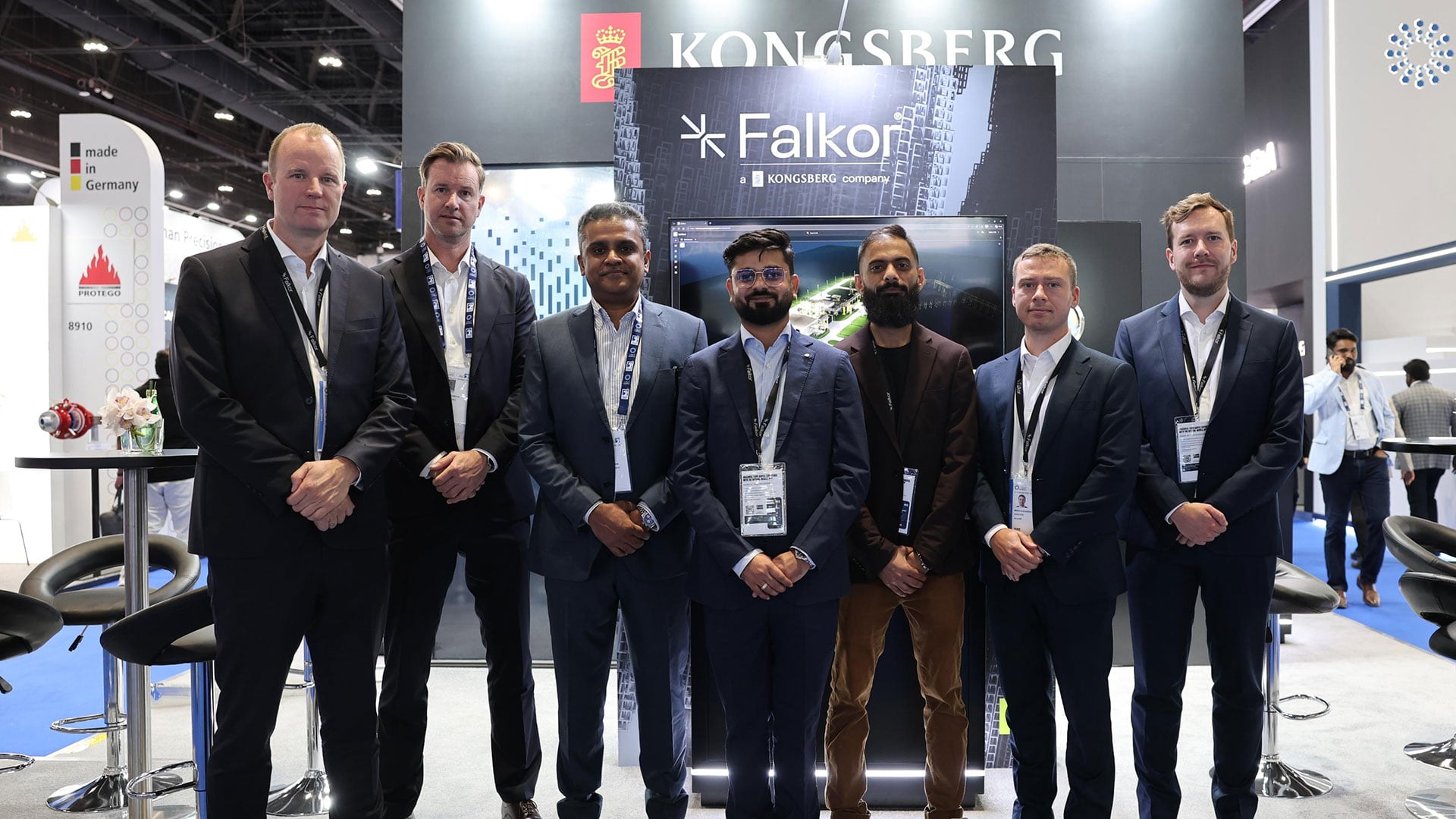
falkor-team-adipec-2026

Image (left to right): Stian Skjævesland, Henrik Martinsson, Rony Abraham, Ashish Kapoor, Sayed Faraz Ali, Misha Crastes, Mathias Fossmo Eliassen.

That resonates strongly with how Falkor thinks about industrial intelligence.

The objective is to expand human capability, making knowledge, context and decision support easier to access while reducing unnecessary complexity. For Falkor, technology is an enabler, with human judgement remaining central to digitally enabled decision-making.

Ultimately, intelligence creates value when people can use it.

From ambition to measurable impact

Looking back across the conversations in Abu Dhabi, AI was one part of a much bigger story. Energy security requires resilience. Intelligence can strengthen that resilience by helping organizations understand changing conditions and turn information into decisions and action.

Misha Crastes sums up the week this way: 

Energy leadership is now about intelligence, resilience and execution. Across AI, infrastructure, investment and global partnerships, one message stood out: the next decade of energy will be defined by those who turn data into decisions and ambition into measurable impact.

Misha Crastes, Growth Director EMEA, Falkor

That may be the most important takeaway from ADIPEC 2026.

The technologies will continue to evolve. The harder work is connecting them to the industrial reality they are meant to support.

For energy operators, resilience will increasingly depend on bringing together trusted data, engineering knowledge, operational workflows and human expertise, so that the right people can make informed decisions when they matter. 
connect-with-an-expert-cta

Author
  • Falkor

    Falkor

    Falkor is a KONGSBERG company that enables organizations in heavy-asset industries to expand human capability and redefine how assets are designed, operated, and optimized across their lifecycle. By connecting people, systems, and workflows, Falkor’s industrial intelligence platform turns complexity into clarity and data into decisions – so that leading companies can improve safety, efficiency, and performance.

Stay in the know. Sign up to our latest news and updates.